Why are Successful Owners Skipping Vacation?
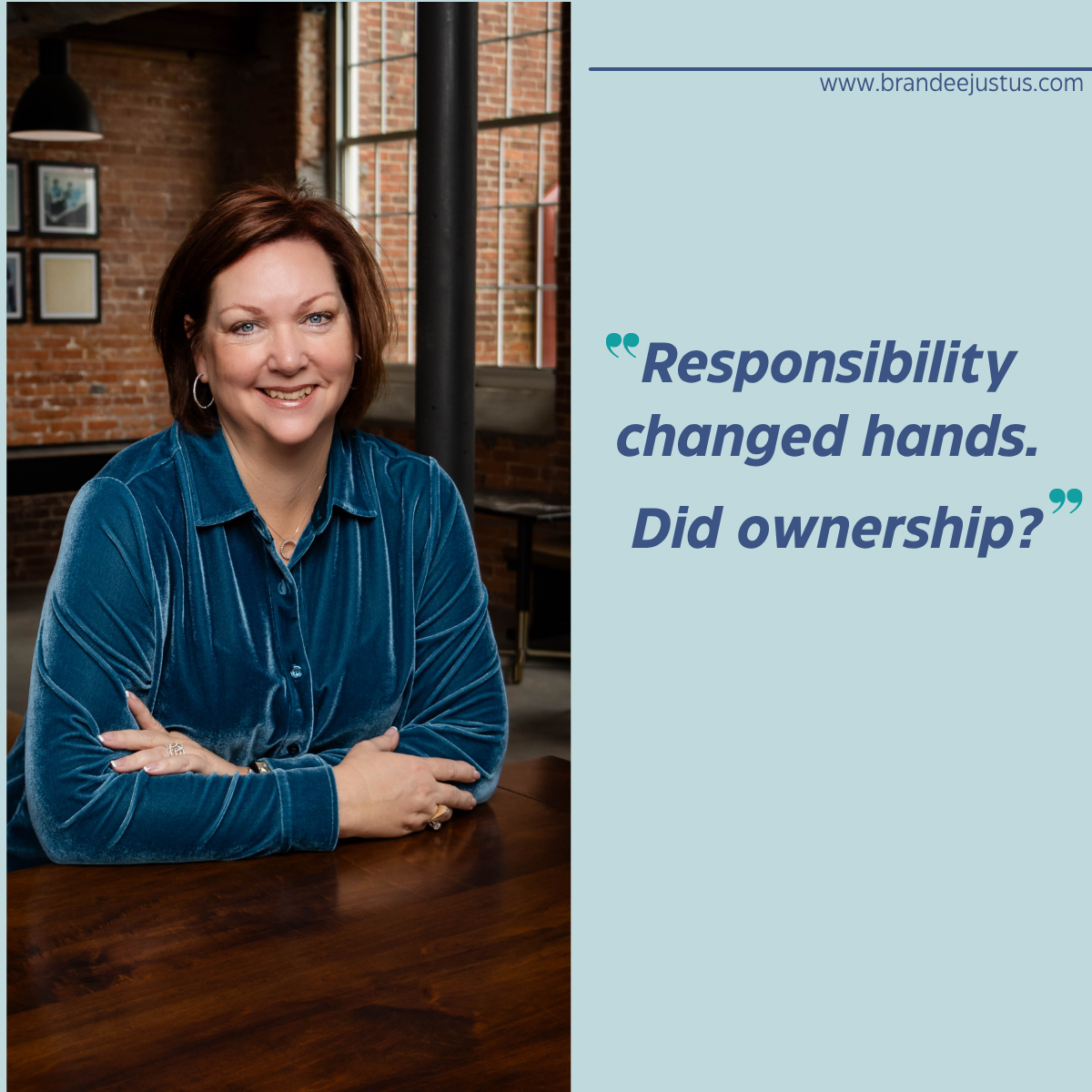
The issue isn't commitment. It's dependence.
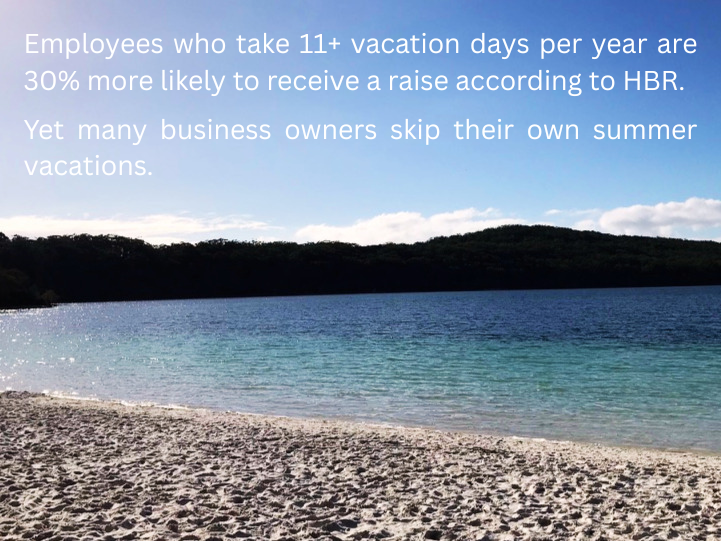
As summer approaches, I often hear the same thing from business owners. They talk about taking a trip, spending time with family, or finally disconnecting for a few days. Then reality sets in. Questions start surfacing. What if a customer needs something? What if a problem comes up? What if the team gets stuck?
Many employees look forward to vacation. Many owners wonder if they can afford to take one. Not because they don't value rest or family time, but because too much of the business depends on them. Decisions route through them. Information lives with them. Questions wait for them.
In the early stages of a business, this makes perfect sense. The owner is often the most experienced person in the company. They know the customers, the history, the exceptions, and the reasoning behind countless decisions. Being heavily involved is often one of the reasons the business succeeds.
In fact, most businesses would struggle to survive without that level of involvement in the beginning. The owner's knowledge, experience, and willingness to step into every gap are often what allow the company to gain traction in the first place.
The challenge is that success can quietly reinforce the very habits that make stepping away difficult. When answers are consistently provided by one person, people learn to ask. When decisions are consistently made by one person, people learn to wait. Over time, the business adapts to having the owner at the center of everything.
Nothing appears broken. In fact, many of these businesses are growing and profitable. Yet growth has a way of exposing dependence. As teams expand, communication becomes more complex, more decisions need to be made, and more information needs to move from one person to another. What worked when everyone could fit around a conference table becomes much harder to sustain.
This is often the point where owners begin to feel trapped by their own success. They are working harder than ever, yet stepping away feels riskier than it did years earlier. Not because the team lacks capability, but because too much of the work still depends on access to one person.
The goal isn't to build a business that doesn't need you. The goal is to build a business that doesn't stop when you're gone.
That doesn't happen by becoming less involved overnight. It happens by creating clarity that can exist without you. When expectations are defined, decisions are documented, and processes are understood, work continues moving forward even when the owner isn't in the room. Team members have context. They have guidance. They have confidence in how to proceed.
A vacation should and can be a chance to recharge, not a test of whether the business can survive without you..