The Most Expensive Assumption We Make
The way you see the world isn't always the way everyone else does.
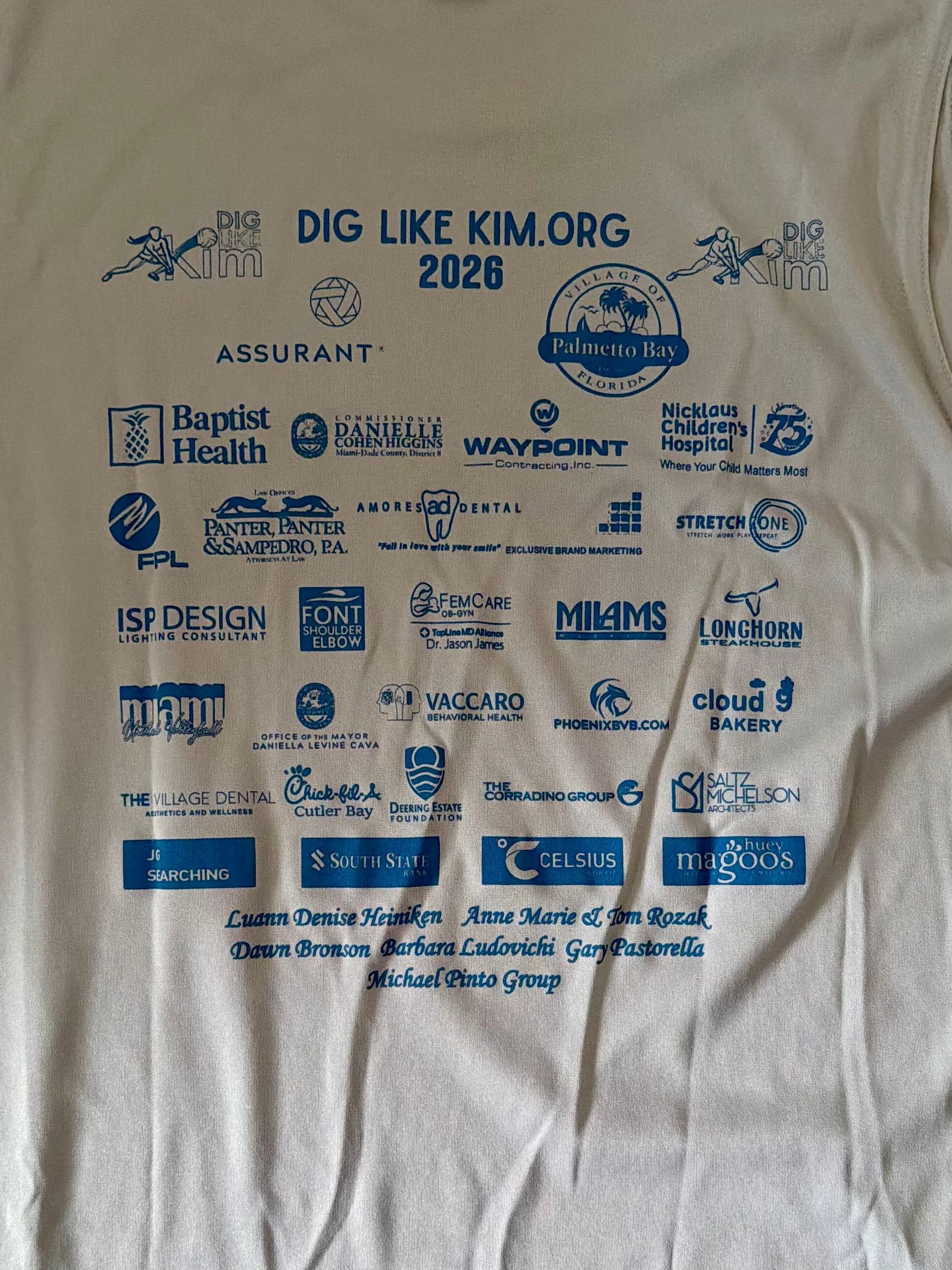
Early in my career, I was the Executive Director of a large nonprofit. We had an incredible team of fundraisers who believed deeply in our mission, and understandably so. Every day we saw firsthand the difference our work made in the lives of the families we served.
When it came time to secure corporate sponsorships, the team led with that passion. The belief was that companies would naturally want to support a cause that was making such a meaningful impact.
Sometimes they did.
More often, they didn't.
It wasn't because they didn't care. It was because we were making an assumption. We assumed companies were making sponsorship decisions for the same reasons we were asking for them.
As we listened more closely, we realized something important. Businesses wanted to support the community, but they also wanted something in return. They wanted visibility, stronger relationships, employee engagement, and opportunities to grow their own organizations. Once we shifted from what mattered most to us to what mattered most to them, everything changed. Our partnerships became stronger, sponsorships increased, and the conversations became easier because we were finally solving the right problem.
More than twenty years later, I found myself serving as President of the board for another nonprofit. Different organization. Different leadership team. The same lesson still applied. We weren't changing the mission. We were changing the opportunity for those we hoped would support us.
I've realized that lesson extends far beyond fundraising.
Every organization operates on assumptions. Leaders assume employees understand expectations because they seem obvious. Sales teams assume prospects value the same things they do. Team members assume someone else is handling the next step. Companies assume customers experience the business the way it was intended.
Most of the time, those assumptions go unnoticed because people work hard enough to overcome them.
Until they can't.
The work I do today almost always begins in the same place. Long before we talk about documentation, processes, or training, we uncover the assumptions that have quietly become part of the way the business operates. They usually sound like, "Everyone knows that," or, "If they weren't sure, they would have asked," even "that's obvious".
Those assumptions eventually become inconsistent customer experiences, repeated questions, missed handoffs, frustrated employees, and leaders who spend far more time clarifying than leading.
Documentation isn't the goal.
Clarity is.
Documentation is simply one of the ways we replace assumptions with shared understanding so people can make decisions with confidence, customers receive a more consistent experience, and leaders spend less time filling the gaps.
One of the most valuable questions any leader can ask is:
What are we assuming right now?
Because the assumptions we never question are often the ones holding the business back.