Why Change Feels Personal (When It Doesn’t Have To)
How Written Processes Turn Organizational Change from Emotional to Executable

Change is harder when a process isn’t written down.
Not because people resist improvement, but because no one can clearly see what they’re changing. When a process only exists in people’s heads, conversations about improving it quickly become abstract. Feedback starts to feel personal. Suggestions sound like criticism. “We should do this differently” quietly translates into “You’ve been doing it wrong.”
That’s when improvement turns political.
Research backs this up. McKinsey has found that nearly 70% of organizational change initiatives fail, most often due to lack of clarity and alignment rather than flawed strategy. In other words, the breakdown usually isn’t a result of the idea. It’s created from the absence of shared understanding around execution.
When nothing is documented, everyone is operating from memory, interpretation, or habit. Each person believes they’re following “the process,” but there is no visible version of it. So when change is introduced, it feels like a challenge to identity instead of an adjustment to a system.
Documentation changes that dynamic.
When a process lives on paper (or screen), it becomes neutral. It’s no longer your way or my way . It’s simply the current way. That neutrality creates emotional distance. You can point to it, examine it, stress-test it, and refine it without questioning someone’s competence or intentions.
It also creates stability.
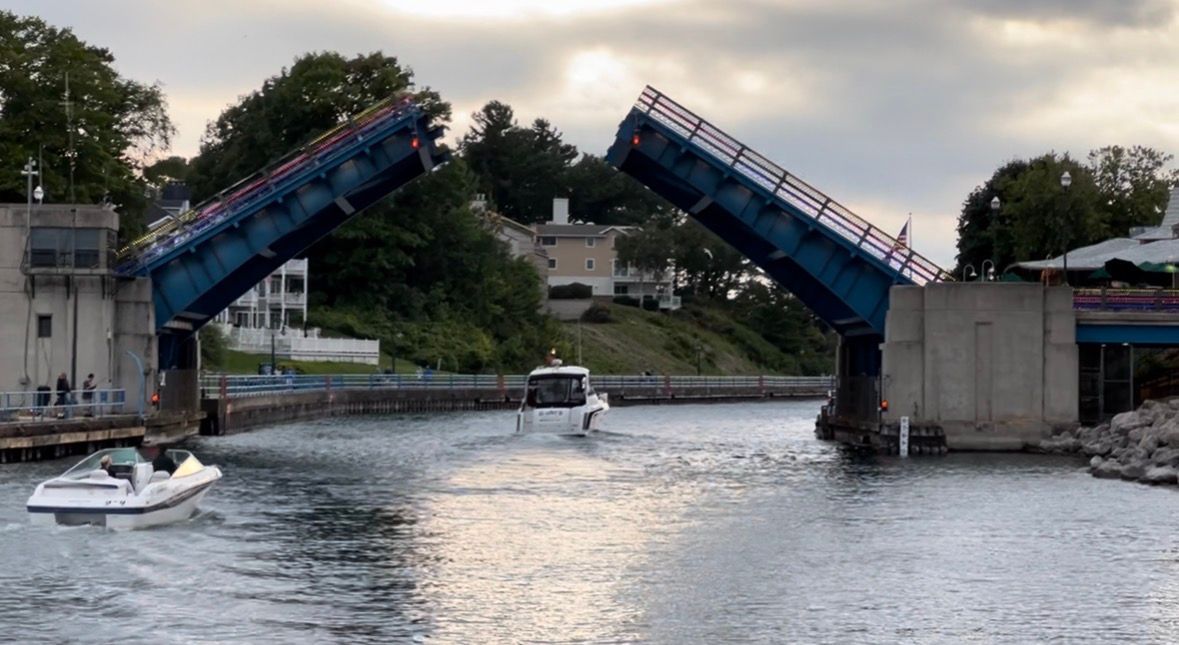
A written process doesn’t lock an organization into rigidity. It provides a steady platform similar to a buoy in open water. The environment may move. Conditions may shift. But the team has something visible and shared to orient around. From there, evolution becomes deliberate instead of reactive.
The most adaptable companies aren’t the ones constantly reinventing themselves. They’re the ones who can clearly see what they’re changing. They know the baseline. They understand the current state. Because of that, they can improve without drama.
If change in your organization feels heavier than it should, the issue may not be resistance. It may be that no one can see the system clearly enough to improve it.
When processes are visible, improvement becomes practical instead of personal. That’s when momentum begins.