The Playbook Isn’t Just Nice to Have
What I Learned from Raising a Quarterback

Last week, a transaction attorney described his role in the sale of a business like this: “The business owner is the quarterback. We’re the offensive line.”
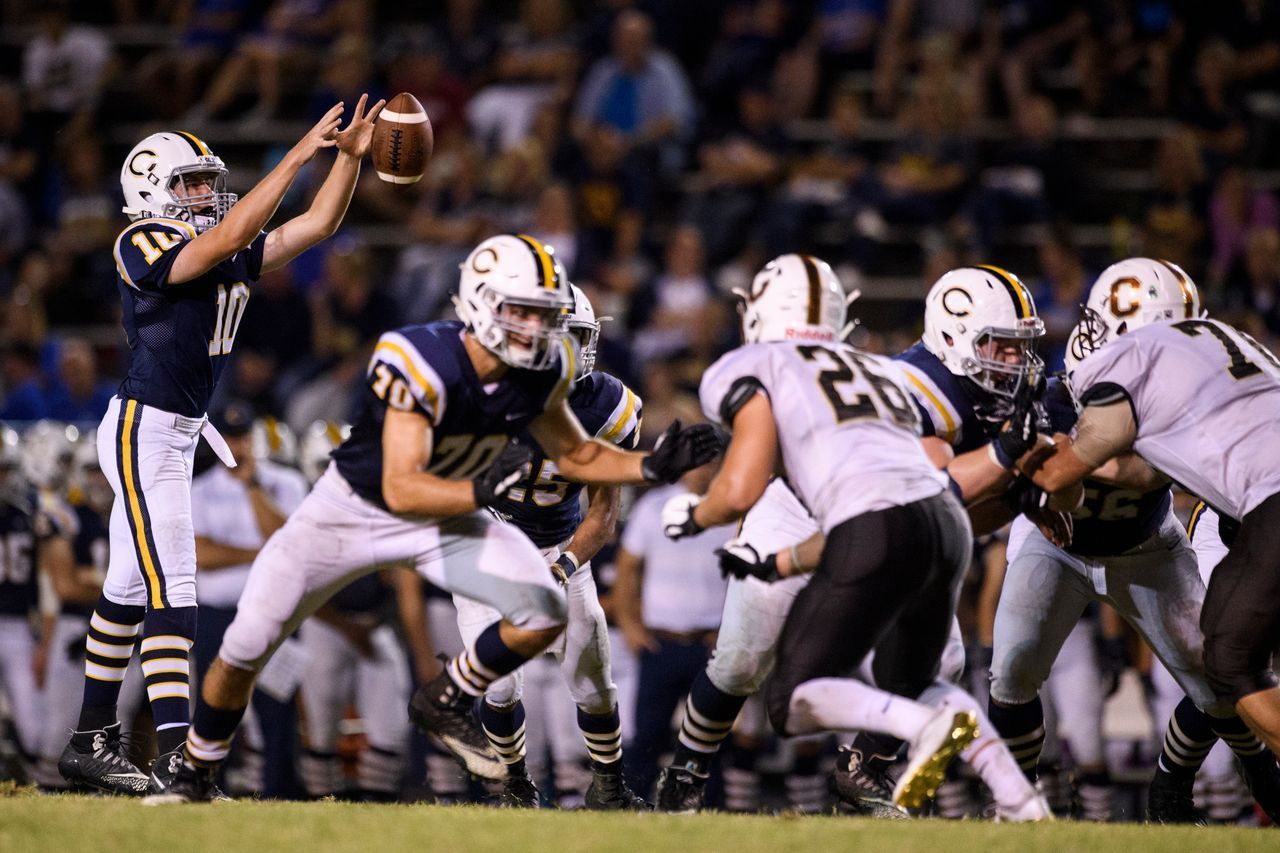
Immediately, I thought of my son. We spent hours at the kitchen table when he was young, him using M&Ms to explain offensive plays while I did my best to keep up. It was more than cute. It was his way of mastering the system.
He became a great quarterback not just because he was talented, but because early on he committed to the process.
He knew the assignments.
He trusted the play.
And he led his teammates to do the same.
Football is the ultimate system:
• Everyone has a defined role
• Timing and execution are everything
• Without clarity, even the best players fall short
Business works the same way. If your team doesn't understand the play, it's not just a communication issue. It’s a systems issue.
Ask yourself:
• Does your team know what the play is before the ball is snapped?
• Are you relying on instinct or alignment?
• What would change if your processes were as clear as your goals?
If you're building for growth, make sure you have a playbook every player can access.