Is There Value in Your Business, or Is the Only Value in You?
The more valuable you are, the less value your business has.
Jason had built a thriving service-based business. His clients loved him, his employees respected him, and he was at the center of it all. On the surface, he felt irreplaceable. But deep down? He was exhausted—and simultaneously a little bored.
After years of relentless work, Jason was ready to cash out and move on to something new. But when a potential investor asked, “How do I replace you?” he had no answer.
That’s when it hit him—he hadn’t built a sustainable business… he had built an organization entirely dependent on him. The company wasn’t strong; it was fragile.
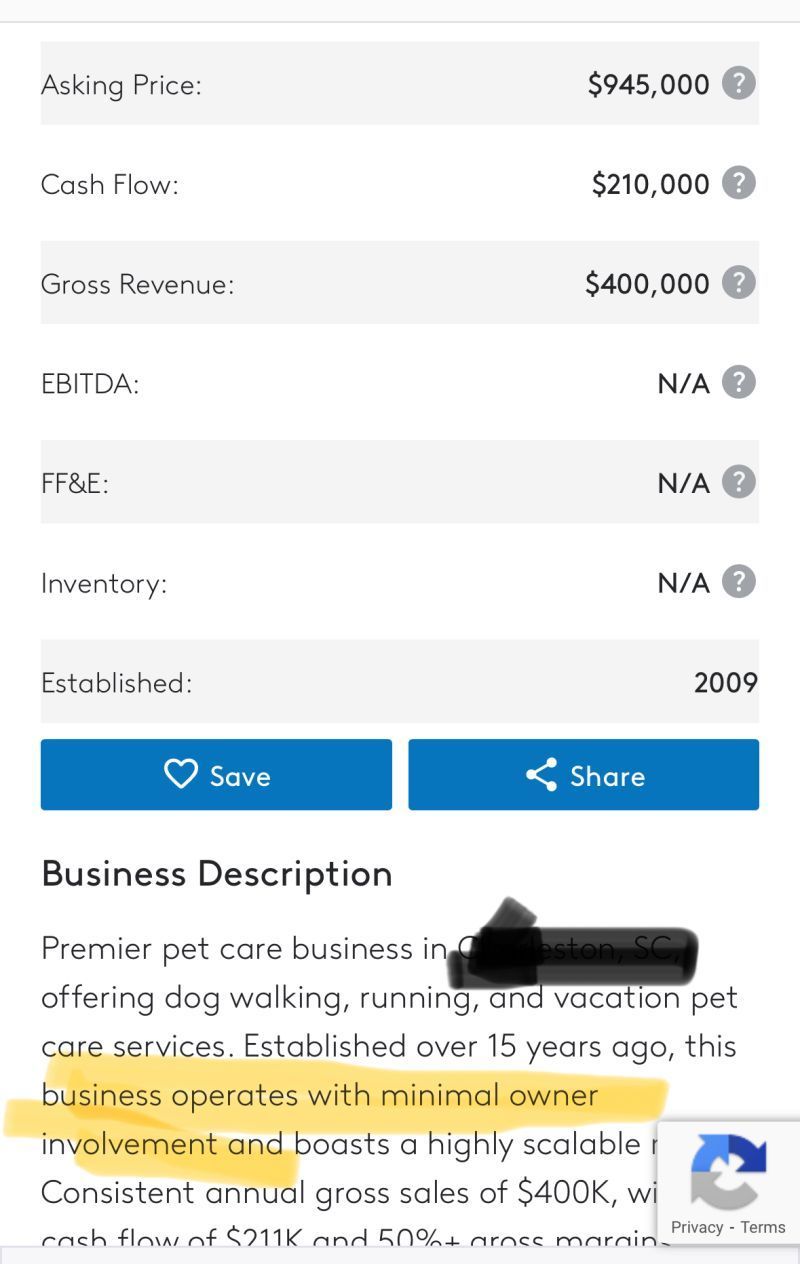
If your company falls apart when you step away, you don’t just own the business—you are the business. And the more value you bring to the business, the less valuable the business is to someone else.
The strongest businesses aren’t dependent on the owner—they operate on well-documented processes, strong leadership, and systems that allow them to grow and thrive, with or without the founder.
How to Stop Holding Your Business Back:
✅ Turn decisions into documented processes – A scalable business isn’t built on memory and intuition; it’s built on systems.
✅ Develop leadership depth – If you’re the only one who can solve high-level problems, your business isn’t truly independent.
✅ Make knowledge accessible – If key information lives in your head, it’s time to get it out and into a structured framework.
✅ Shift from doer to strategist – The less your business needs you daily, the more valuable it becomes.
💡 The question isn’t whether your business is successful today—it’s whether it could thrive without you tomorrow.
What’s one thing business owners should delegate or document today to start shifting from owner-reliant to owner-independent?