I Am Google… and I’m Over It
There are so many good reasons to communicate with site visitors. Tell them about sales and new products or update them with tips and information.
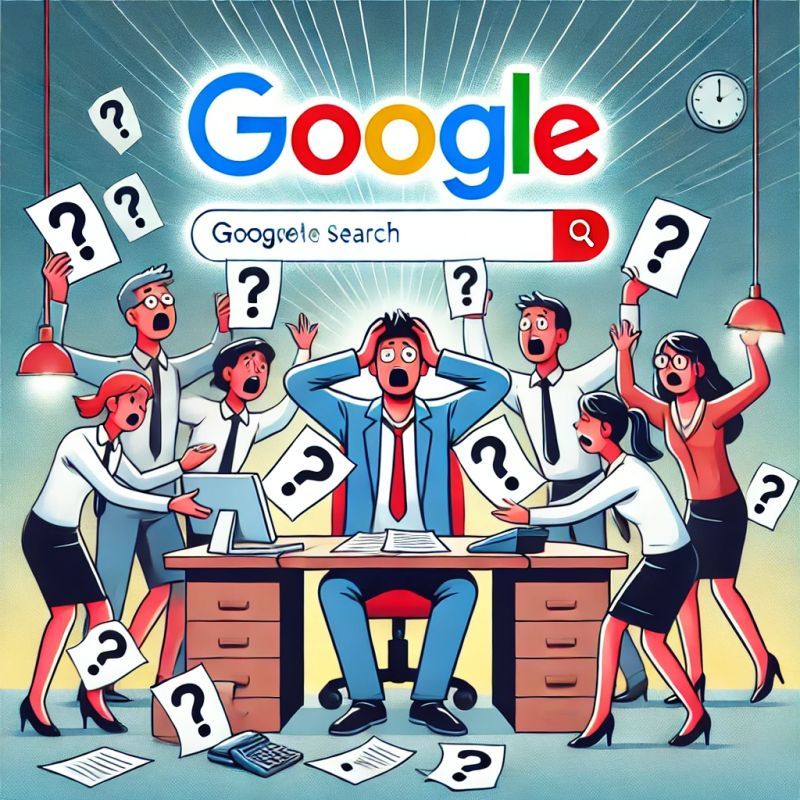
Are you the go-to person for every single question in your business? When employees rely on you for answers they could find themselves, it not only drains your time but also stifles their ability to think critically and solve problems.
As Steve Jobs said, "It doesn't make sense to hire smart people and then tell them what to do; we hire smart people so they can tell us what to do." If your team isn't empowered to think independently, it’s time to assess why.
Ask yourself:
✅ Is there a culture problem? Do employees hesitate to make decisions out of fear of making mistakes? A culture of accountability and confidence starts at the top.
✅ Is information accessible? If the answers exist but aren't easy to find, employees will naturally default to asking you.
✅ Are we consistent in our messaging? If the handbook says one thing, the manager says another, and you as the owner provide a third version, it’s no wonder everyone comes to you for clarity.
Empowering your team starts with clarity, consistency, and confidence. What’s the first thing you’d address?